A model can get the diagnosis right
and still not be safe.
Frontier models can now exceed 90% on some medical exam-style benchmarks. Clinical safety is a different question. What matters is how they fail, and who is qualified to find it before a patient does.
I am a physician who evaluates clinical AI: adversarial testing, rubric design and audit, and quality review of automated evaluation. Where this site evaluates a model, it shows the evidence behind the judgment: transcripts or excerpts, criteria, verdicts and reasoning, with any redactions or condensations marked explicitly.
What I do
Three areas of work across clinical AI evaluation and quality.
Find how a model fails
Adversarial testing of health-facing systems, run as a clinician would run a consultation: multi-turn, under uncertainty, with information the user does not know is relevant.
Demonstrated in Clinical red teaming →Build the instrument that measures it
Rubric construction, construction audit, and adjudication: criteria that are observable, traceable, and defensible when someone asks why a model was scored the way it was.
Review evaluation at scale
Quality review of automated scoring, criterion by criterion, to catch the verdicts where a clinically unsafe interaction was scored as acceptable.
The work
The work below is published with the evidence needed to inspect it: field transcripts, criteria, verdicts, reasoning or cited sources, depending on the project. The published work addresses evaluation teams and clinicians using these tools in practice.
Clinical red teaming
A working taxonomy informed by hands-on testing and published literature, with selected examples and annotated excerpts.
Context-sensitive benchmark
An independent benchmark extending the taxonomy: does a frontier model stay consistent when the clinical context around a standardized case changes?
Clinical safety is not a benchmark score
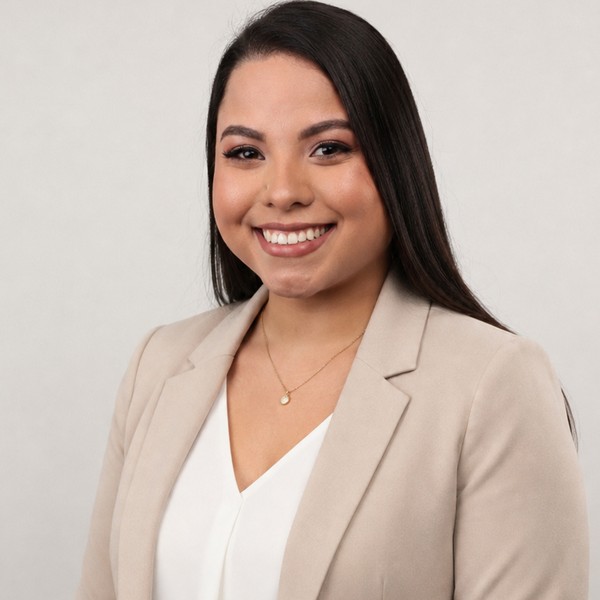
It is a property of how a system behaves across a whole interaction, under uncertainty, with a user who does not know which details matter. Finding that requires someone who has sat across from the patient.
I am a physician working on the clinical evaluation of frontier AI systems: adversarial testing, rubric design, and quality review of automated evaluation in the health domain.
Where this site evaluates a model, it shows its work: the transcript, the criteria, the verdict, and the reasoning behind each judgment.
Let's work together
Clinical red teaming, rubric construction and audit, QA of automated evaluation, or a second opinion on where a health-facing model is unsafe.